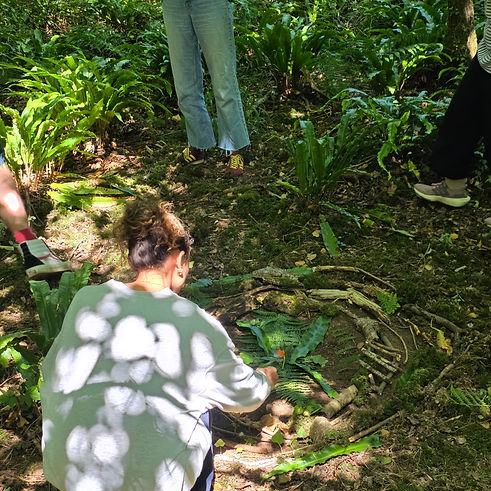
Your nervous system was built for this
Into The Woods
The modern brain is stuck. In today's overstimulating environments, the nervous system often becomes locked in chronic sympathetic arousal, the fight or flight response, contributing to anxiety, insomnia, burnout, and other chronic conditions. Nature is the oldest reset button we have.
Research consistently shows that exposure to nature decreases sympathetic nervous system activity while increasing parasympathetic activity, the branch responsible for rest, repair, and recovery. (ScienceDirect) Natural environments appear to function as spontaneous regulators of the nervous system, passively guiding the brain toward states of deep relaxation and sustained attention, states that otherwise take years of meditation practice to cultivate. (ScienceDirect)
Even brief exposure to natural sounds improves vagal tone, a key marker of parasympathetic activation. People living near green spaces show measurably lower rates of psychiatric disorders. (Forest Therapy Hub)
The Forest Is Dosing You
When you walk into a wood, the trees are already working on you, chemically. Trees produce phytoncides, a broad class of volatile organic compounds including terpenes, as a defence system. The most studied are α-pinene, β-pinene, limonene, and camphene. (NeuroLaunch)
Natural killer cell activity, a key immune defence against viruses and cancer, rises significantly after phytoncide exposure and can remain elevated for weeks.
Phytoncide exposure significantly increases NK cell activity even when delivered indoors via diffusion, without any forest visit at all. (PubMed) The concentration of α-pinene in a dense forest reaches levels that, in controlled studies, alter immune cell counts within hours. Trees are dosing you whether you are paying attention or not.
Nature Immerson has also been shown to lower blood pressure and pulse rate, reduce stress hormones including adrenaline and noradrenaline, improve sleep, reduce negative emotions, and increase positive feelings. (MDPI Forests)

"Even brief exposures to natural settings can produce significant recovery from stress." ROGER ULRICH
You don't have to be there
The Imagined Forest
Brain scan studies have repeatedly found that seeing something and imagining it evoke highly similar patterns of neural activity, the same areas of the brain process both. (Quanta Magazine)
Imagining an object reactivates the exact same brain cells used to see it in the first place. This shared biological mechanism explains why our mental theatre feels so real.
The more vividly a person imagines something, the more likely they are to believe it is real, the brain encodes the vividness of imagined and perceived stimuli in a similar manner. (Neuroscience News)
In practice, this means a guided nature visualisation is not a pale substitute for the real thing. It is the real thing, at a neurological level.
The nervous system responds to a vivid imagined forest the same way it responds to the one outside your window.
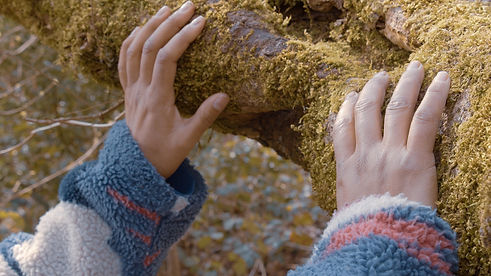
A living tree in the room changes the room
An Audience With A Tree
When a tree enters a boardroom, something shifts before anyone speaks. The nervous system reads the presence of living green as a biological cue of safety, before the conscious mind has registered anything at all.
Research on full-time office employees found significant relationships between workplace nature exposure, directed attention, and strain outcomes including burnout, job dissatisfaction, and depressive symptoms. Nature exposure improved attention, which in turn reduced all three. (Springer)
Even a 20-minute nature break produced significant psychological benefits compared to indoor breaks, suggesting that restoration may be one of the simplest and most underused tools available to organisations. (UNature)
Nature-based initiatives function as an HR-enabled resource that supports attentional restoration, stress reduction, and emotional regulation, across both in-person and remote work contexts. (Villanova University)

"The feeling of the sound and movement, felt very real, it felt like the forest was home. It really touched me, I didn’t think I’d react the way I did." SARAH WINCHESTER
What this means for your people
Teams
According to the WHO, stress, depression, burnout, and anxiety result in an estimated cost to the global economy of USD 1 trillion per year, through lost productivity, absenteeism, and compensation costs, with an estimated 12 billion working days lost due to mental illness every year. (ScienceDirect)
Nature-based interventions trigger psychological detachment, mental disengagement from stress, and attentional recovery, because humans are evolutionarily predisposed to pay attention to natural environments.
The effect is automatic.
It does not require buy-in or belief. (PMC / NIH)
The science is settled. The question now is whether organisations will treat restoration as infrastructure, or continue to wait until people break.